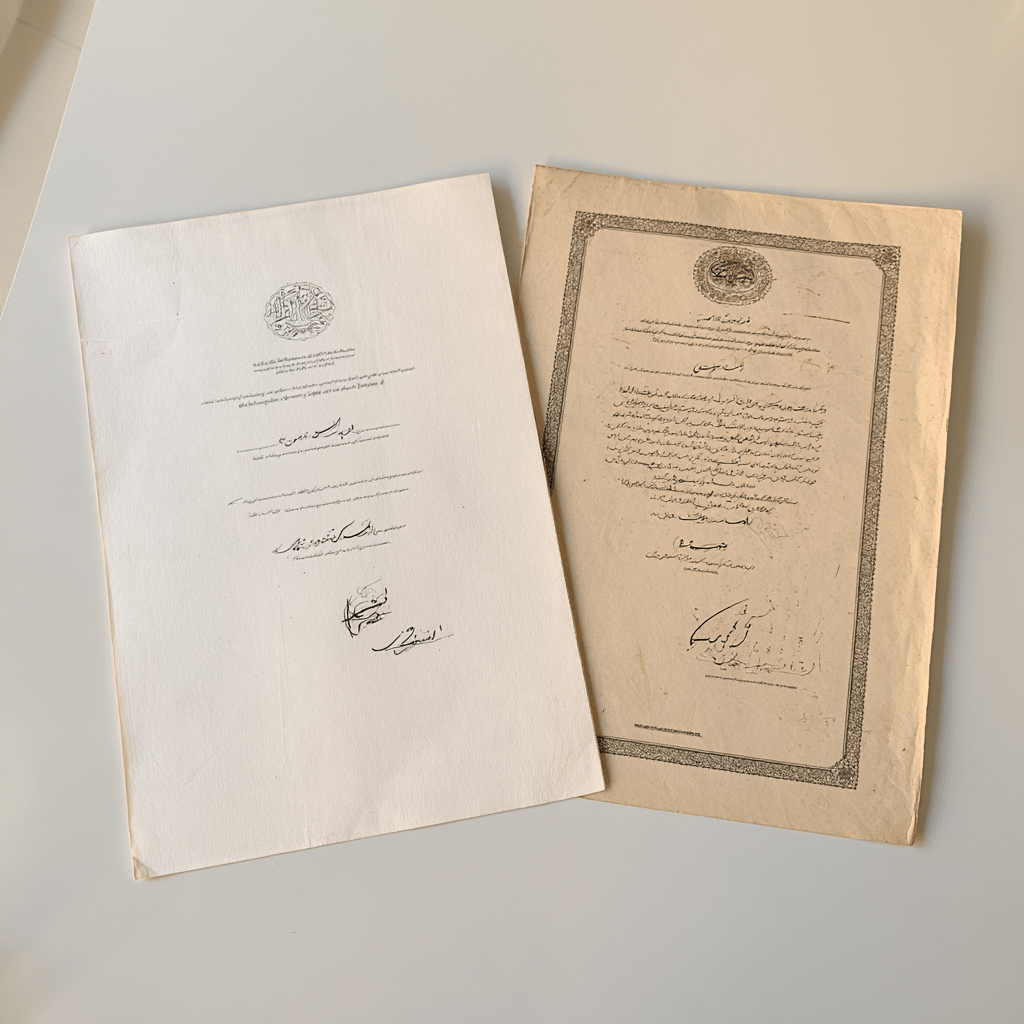
A letter of consent comes up in more situations than most people expect. A child traveling internationally with one parent, a minor receiving medical treatment while the other parent is away, an employee authorized to sign documents on a company’s behalf – in these cases, someone needs written proof that the right person has approved a specific action.
If you’ve been asked to provide one and are not sure where to start, you’re in the right place. This guide explains what a letter of consent is, some of its uses, how to draft one correctly, and how to get it notarized when the situation calls for it.
Read as well: Who needs a notary signing agent, after all?
What is a letter of consent?

A letter of consent is a written document in which one party formally gives another party permission to take a specific action, either on their own behalf or on behalf of someone they’re legally responsible for.
Mind you that it’s neither a court order nor a contract; it’s a declaration of permission. And its legal weight depends heavily on whether it is properly drafted and, when required, properly witnessed.
The person giving consent must have the legal authority to do so. Be it a parent consenting for a minor child, a patient allowing a caregiver to make medical decisions, or whatever, the consenting party must actually hold the authority they’re delegating.
A letter signed by someone without that standing isn’t worth much, regardless of how well it is written.
A letter of consent is also typically situation-specific. It’s written for one purpose, one recipient, and one defined timeframe, and that specificity is part of what gives it credibility.
What is a letter of consent used for?
Quite a few things. Here are the most common situations where one is needed.
Child travel is by far the most frequent use case. When a minor travels internationally with only one parent, a grandparent, or a third party, many countries and airlines will ask for written confirmation that the absent parent has approved the trip.
Some destinations require this document by name, and border agents have the authority to deny entry without it. It’s one of those things that feels optional until it suddenly isn’t.

Medical consent letters, too. When a child is under the care of a non-parent guardian and needs medical treatment, the facility may require documented proof that a parent has authorized care. This is more relevant for planned procedures or extended stays away from home.
Schools generate their own consent needs (like field trips, extracurricular activities, enrollment situations involving non-custodial parents). The format tends to be simpler, but the underlying principle is the same: someone with legal authority is putting their permission in writing.
In business contexts, letters of consent authorize employees or representatives to act on a company’s behalf – signing documents, accessing accounts, or representing the business in a formal setting. A common sight in small and family-owned businesses!
Finally, immigration and visa applications sometimes call for a letter of consent from a sponsor or family member confirming support for a person’s travel or residency application.
Requirements vary by country and visa type, so always check with the relevant consulate before drafting.
What should a letter of consent include?
Specificity is everything here. A vague letter is a weak letter, and, in situations like international travel or medical authorization, a weak letter will likely be turned away.
A well-drafted letter of consent should include the full legal names of everyone involved: the person giving consent, the person receiving it, and the person or matter the consent concerns.
For example, in a child travel letter, that means the consenting parent, the accompanying adult, and the child. Also include the child’s date of birth and passport number.
The letter should describe specifically what is being authorized. Not “permission to travel” but “permission to travel to Mexico City, Mexico, from June 10 to June 20, 2026, accompanied by [full name of accompanying adult].” The more precise the language, the harder it is to misuse or challenge.

Include the timeframe or duration of the consent – a single event with specific dates, a school year, or a medical situation with an uncertain timeline. Either is acceptable, but the dates should be explicit.
Any relevant identifying details strengthen the document: passport numbers, policy numbers, property addresses, or employee IDs, depending on the context. Close with the date of signing and a signature line for the consenting party.
If notarization is required, a notary block should be included at the bottom for the notary to complete at the appointment.
Does a letter of consent need to be notarized?
Not always, but it’s good practice. A notarized letter of consent is significantly harder to challenge or forge, which is why border agents, foreign consulates, medical facilities, and financial institutions increasingly prefer or require it.
For international child travel, notarization is strongly recommended even when the destination does not explicitly require it. A non-notarized letter can be refused at the border with no recourse, and that’s not a situation anyone wants to be in with a child in tow and a flight to catch.
For domestic situations (a school field trip, a local medical appointment), a signed letter may be sufficient. But notarization adds credibility that can prevent friction down the line, and the extra effort is minimal with a mobile notary involved.
How to get your letter of consent notarized

Start by drafting the letter fully before your appointment and leave the signature line blank. Signing in advance is one of the most common mistakes as the notary must witness the signature in person, so a pre-signed document cannot be notarized.
Bring a valid, government-issued photo ID to the appointment. If the requesting authority has asked for supporting documents, bring those as well. The notary will verify your identity, witness your signature, and apply their seal. The appointment is usually brief when everything is prepared in advance.
A mobile notary is an awesome option here, especially for parents juggling busy schedules, or business owners who cannot step away. They come to your home, your office, or wherever works best.
If the letter is headed to a foreign country, check early whether an apostille is also required. Some destinations need the notarization further authenticated through the Florida Secretary of State’s office before the document is accepted abroad.
Frequently asked questions regarding letters of consent
Can both parents sign a child travel consent letter at the same time in front of the notary? Yes, and this is the cleanest approach when both parents are available. Both signatures can be witnessed in a single appointment, which simplifies the document and removes any ambiguity about whether consent was given by both parties.
How long is a letter of consent valid? There is no universal expiration rule, but letters should be written with a specific timeframe built in. For travel, the letter should cover the exact dates of the trip. For ongoing situations like medical authorization during a school year, a defined period should be stated.
Always check whether the receiving institution has its own requirements on this.
Can a letter of consent be revoked after it has been notarized? Yes. Notarization confirms the signature, but it doesn’t lock the consent in place. If circumstances change, the consenting party can issue a written revocation. Depending on the situation, notifying the receiving institution directly is important to ensure the original letter is no longer acted upon.

We are always available to help you out with notarization.
A letter of consent is one of those documents that feels routine right up until the moment someone asks for it under pressure. Having it drafted correctly and notarized in advance takes a small amount of effort and removes a significant amount of risk.
If you need anything notarized in Central Florida, you are in the right spot. Mobile Notary Orlando is happy to help with the most convenient notarization services in the area! Reach out whenever you’re ready – we serve clients 24/7 throughout Orange, Seminole, Brevard, and Osceola counties, so we’ll come straight to you any time.