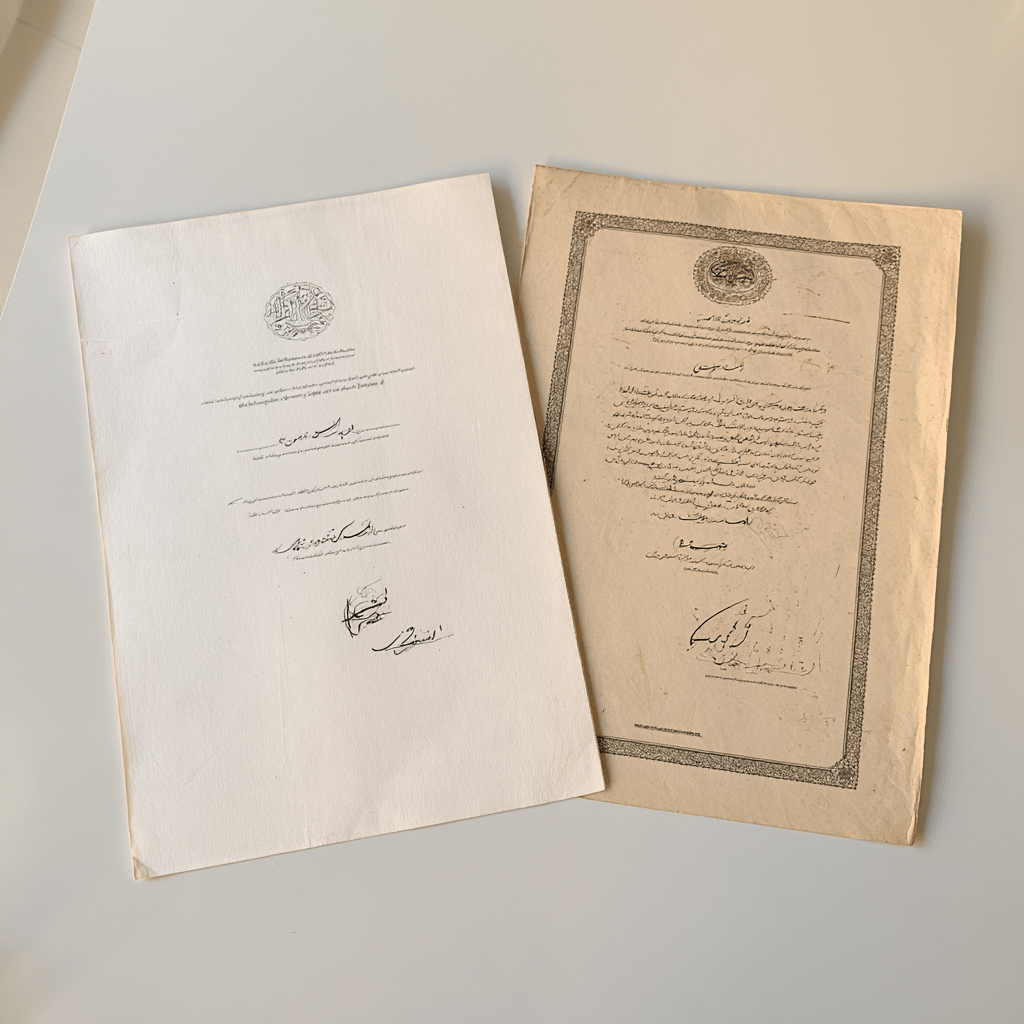
Buying or selling a home involves more paperwork than most people expect. By the time you reach closing day, you may be signing dozens of pages, and nearly every critical document in that stack requires a notary’s signature and seal to be legally valid.
That is where mobile notary services for real estate documents come in. Instead of adding another errand to your list, a mobile notary meets you at the location that works best – whether that is your home, your attorney’s office, a title company, or somewhere else entirely.
This guide breaks down exactly how mobile notarization fits into the real estate process and why buyers, sellers, and investors across Central Florida rely on it.
Why real estate documents require mobile notary services
Notarization exists for a specific reason. When a notary witnesses your signature, they are confirming your identity, verifying that you are signing willingly, and creating a tamper-evident record that the document is authentic.

In real estate – where transactions involve large sums of money and legally binding transfers of property – the added layer of protection is a must-have.
Florida law requires notarization on a range of real estate documents: deeds must be notarized to be recorded with the county; mortgage documents require it before a lender will fund a loan; affidavits of title, lien releases, and various closing disclosures all carry the same requirement.
Without a properly executed notarization, a document can be challenged, rejected, or rendered unenforceable, which can delay or even derail a closing.
A mobile notary brings that legal authentication directly to the signing table, wherever that happens to be.
Who needs a mobile notary during a real estate transaction?
Well, most people involved in a transaction need a mobile notary.
Buyers are perhaps the most obvious group. When you purchase a home with financing, you sign a loan package that can run 100 pages or more.
That package includes a promissory note, a mortgage or deed of trust, a closing disclosure, and several other documents, most of which require notarization.
A mobile notary can come to your home so you can review and sign without feeling rushed in a conference room.
Sellers have their own set of documents to execute. The deed that transfers ownership of the property must be notarized, as must certain affidavits and seller disclosures.
If a seller has already moved out of state by the time closing arrives (it happens more often than you might think!), a mobile notary can coordinate with a signing agent in their new location.
Investors and property managers also rely on mobile notarization regularly. LLC operating agreements, commercial lease agreements, and corporate resolutions related to property purchases all require notarized signatures.
For investors closing deals on tight timelines, having a mobile notary on call is less of a convenience and more of a necessity.
How the mobile notary fits into the closing process

A mobile notary can step in at several points during a transaction.
Before closing, a notary may be needed to execute a power of attorney for real estate. This document allows one person to sign on behalf of another, which is useful when a buyer or seller cannot attend the closing in person.
Military families, out-of-town buyers, and anyone dealing with a medical situation often use this option. The power of attorney itself must be notarized before it can be used, so having a mobile notary handle it early keeps the timeline intact.
At closing, the notary witnesses and authenticates signatures on the full document package. In Florida, closings are often handled through title companies, and the notary may be provided by the title company itself. However, buyers and sellers are free to work with a mobile notary they already know and trust, making a high-pressure day feel a little more manageable.
After closing, document corrections sometimes come up. For example, a lender might flag an unsigned line or a title company may need an additional affidavit executed. A mobile notary can handle these situations quickly without requiring everyone to reconvene at an office.
It is worth noting what a notary does not do: a mobile notary verifies identity and witnesses signatures, but they do not review the legal content of your documents or offer advice on what you are signing. For legal questions, you’ll always want a real estate attorney in your corner.
Common real estate documents a mobile notary handles
Most people are familiar with the deed, but the list of notarized documents in a real estate transaction goes well beyond that.
Warranty deeds and quitclaim deeds are the instruments that actually transfer ownership from one party to another. Both require notarization and must be recorded with the county clerk to be effective.
While a promissory note (the borrower’s promise to repay the loan) simply requires a signature, the mortgage or deed of trust is a different story. As the mortgage gives the lender a security interest in the property and must be recorded in public county records, notarization is a must.
An affidavit of title (or continuous marriage affidavit) is a sworn statement by the seller confirming that they own the property free of undisclosed claims or liens. As these are sworn oaths, the notary public must administer the oath and stamp the document.
Then, there’s the power of attorney for real estate. When a buyer or seller cannot be physically present at closing, this document allows a trusted person to sign on their behalf.
It is one of the most common scenarios where a mobile notary gets called in on short notice. It’s also extremely important to handle correctly, since an improperly executed POA can put the entire closing at risk.

Why quick mobile notarization matters for real estate, specifically
Real estate transactions run on tight timelines. A closing date is set weeks in advance, and when that day arrives, everyone needs things to go smoothly!
A mobile notary reduces the friction that comes from trying to get multiple parties to the same place at the same time. Out-of-town buyers can sign at their hotel, and those who cannot easily travel can sign at home or their hospital beds.
Also, a last-minute document correction does not require rescheduling the entire closing, as the notary will simply come to wherever the signing needs to happen.
For real estate agents and transaction coordinators, having a reliable mobile notary to call is also a professional asset. When something unexpected comes up, knowing you can get a notary on-site quickly is the kind of backup that keeps deals from falling apart.
FAQ: mobile notary services for real estate documents
Can a mobile notary handle an entire loan signing package?
Yes. Mobile notaries who specialize in real estate are often certified as Notary Signing Agents (NSAs). They’re experienced with large loan packages and know how to guide signers through them efficiently. They ensure every signature line and initial block is completed correctly before leaving.
What happens if a document needs to be re-signed after closing?
It happens. A mobile notary can return to execute any corrected or missing documents without requiring you to travel anywhere. In this case, contact your notary as soon as the issue is identified so it can be resolved quickly!
Do I need a mobile notary if my title company already has one?
Not necessarily, but you always have the option to use one you have worked with before. Some buyers and sellers prefer the familiarity, especially when signing a large and complex document package for the first time.

Closing thoughts: your closing, on your terms
Real estate transactions are among the biggest financial events in a person’s life. The paperwork that comes with them deserves to be handled carefully and correctly, without adding unnecessary stress to an already full process.
Mobile Notary Orlando provides mobile notary services for real estate documents throughout Orange, Seminole, Brevard, and Osceola counties. Wherever your closing takes you, we will be there for you!