Artificial intelligence is creating a new challenge for one of the most important parts of remote notarization: knowing that the person on the screen is actually the person signing the document.
In 2026, companies in the remote online notarization industry began introducing new tools designed to detect deepfakes and continuously verify a signer’s identity during a live session. The changes show how quickly technology is evolving—and why identity verification is becoming an increasingly important part of secure digital notarization.
AI Is Creating a New Challenge for Remote Notaries
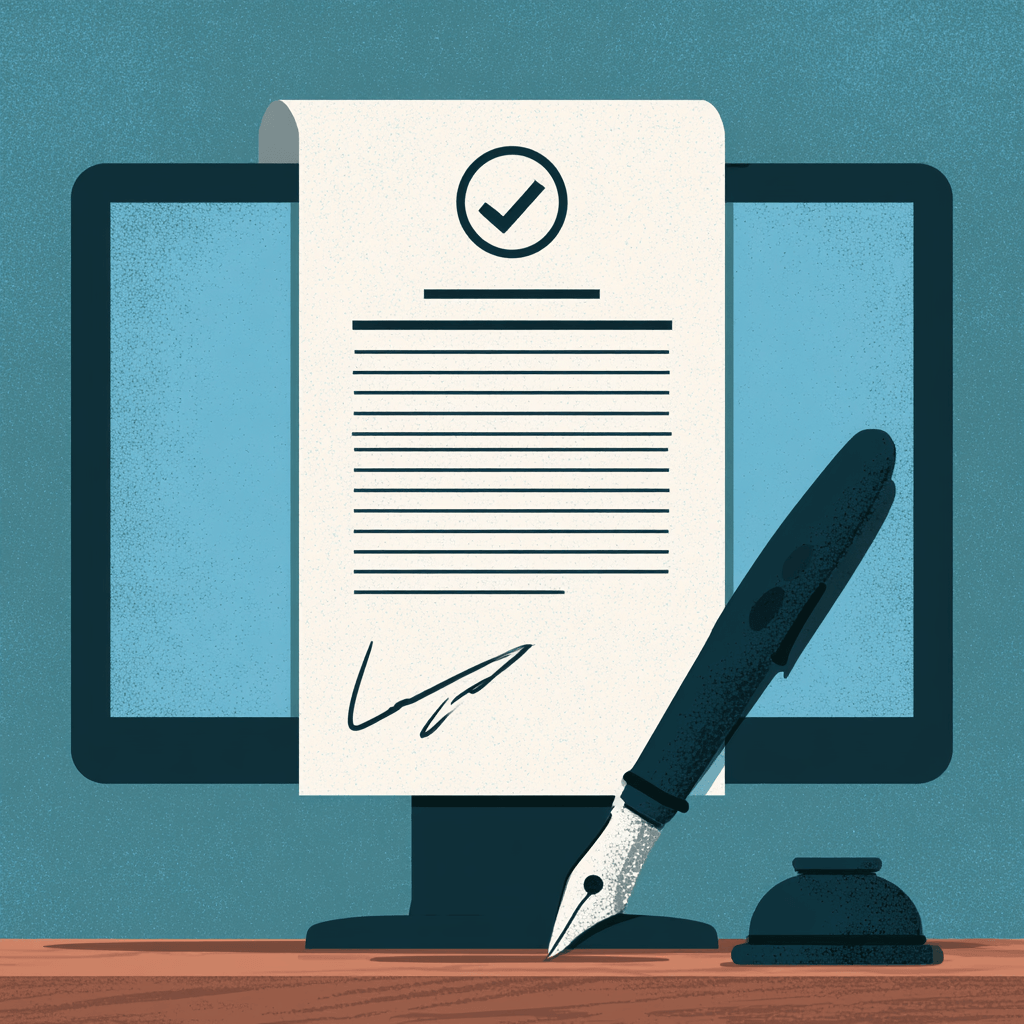
Remote Online Notarization (RON) allows a notary and signer to complete a notarization through a secure audiovisual connection rather than meeting in person.
The process already includes multiple identity checks. But artificial intelligence has introduced a new problem: a person can potentially manipulate video or audio in real time to make it appear that someone else is participating in the session.
Deepfakes can recreate a person’s face or voice with increasing realism. That means simply seeing and hearing someone on a screen is no longer necessarily enough to establish who is actually on the other side of the connection.
The National Notary Association has previously warned that deepfake technology could threaten the integrity of remote notarizations as the technology becomes more sophisticated.
Notary Platforms Are Starting to Fight Deepfakes With AI
The response is increasingly technological as well.
In March 2026, Proof began rolling out real-time deepfake detection for notary meetings. The system analyzes video during the notarization session and can alert the notary when it detects signs of a potential deepfake, allowing the notary to investigate before the document is executed.
The technology is designed to work alongside other identity-verification measures, rather than replacing them. Proof’s platform combines deepfake detection with identity proofing, credential analysis, biometric matching and device intelligence.
The trend continued in August 2026, when another remote-signing provider introduced a system that repeatedly compares the signer’s face during a live session with the identity that was verified before the meeting. The goal is to detect situations in which a verified person is replaced during the signing process.
In other words, the industry is moving beyond the question “Who was verified at the beginning?” and toward “Is the same person still there throughout the transaction?”
Why Identity Verification Matters
The concern goes beyond technology itself.
A notarization provides an important layer of trust around a document by establishing that a person appeared before the notary, was properly identified and acknowledged or signed the document as required.
If someone successfully impersonates another person, that foundation can be compromised.
The consequences can be particularly serious when notarized documents are connected to high-value transactions, such as real estate, loans, powers of attorney or other financial and legal documents.
For example, an identity fraudster could attempt to impersonate a property owner during a remote transaction. If the fraud is discovered only after documents have been signed and funds have moved, resolving the situation can become considerably more complicated.
That is why identity verification is not simply a technical detail. It is part of protecting the integrity of the entire transaction.
What Clients Should Know About Remote Notarization
The growth of AI does not mean that remote notarization is unsafe.
It means that security measures need to evolve alongside the technology being used to commit fraud.
Clients using remote notarization should look for services that take identity verification seriously and clearly explain how the signing process works.
Depending on the platform and applicable state requirements, security measures may include:
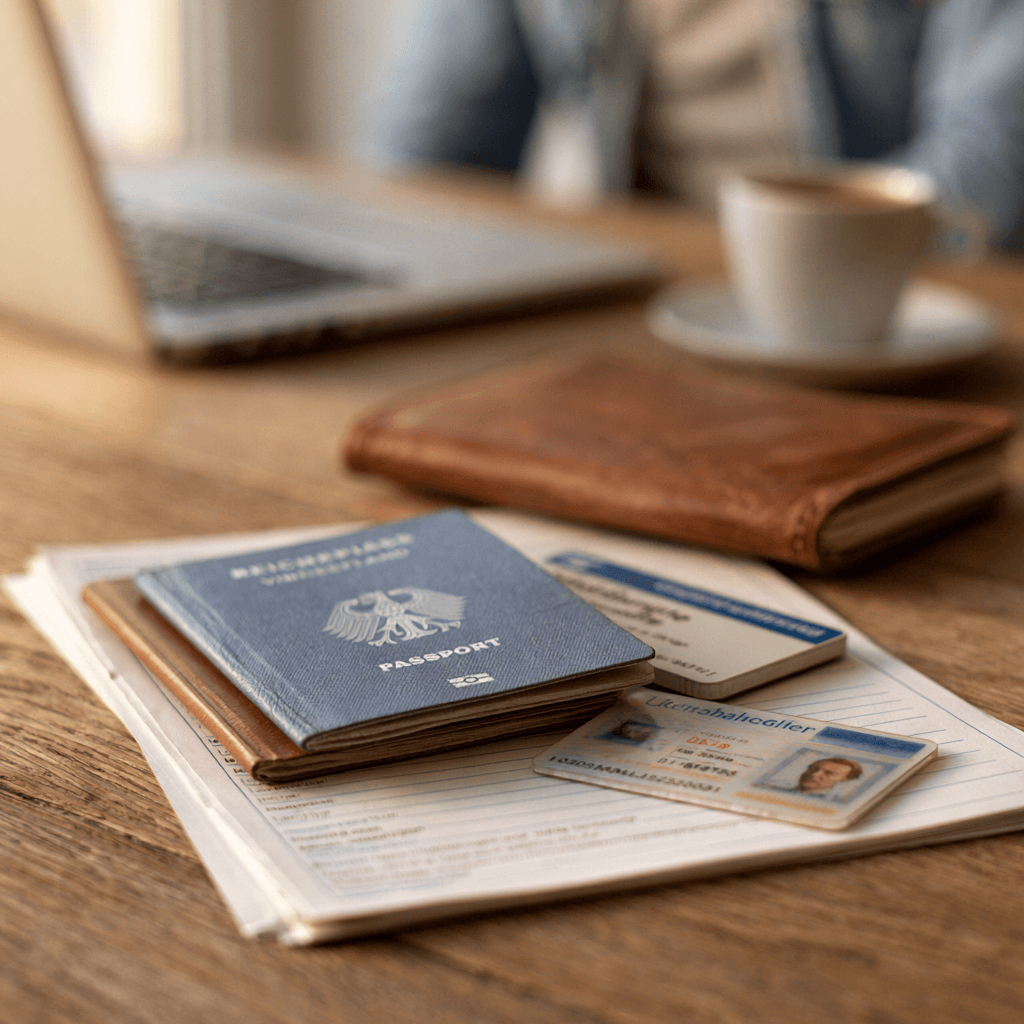
- Government-issued ID verification;
- Biometric identity matching;
- Live audiovisual communication;
- Liveness detection;
- Analysis for signs of manipulated video or audio;
- Secure recording and retention of the notarization session.
No single technology can guarantee that fraud will never occur. The goal is to create multiple layers of verification, making it significantly more difficult for someone to impersonate a legitimate signer.
For consumers, the most important point is simple: remote notarization should not rely solely on what a person looks or sounds like on a screen.
The Future of Notarization Is Becoming More Secure—and More Digital
The rise of deepfakes is forcing the notarial industry to rethink how identity is verified online.
As AI becomes better at imitating real people, notaries and technology providers are responding with AI-powered tools of their own. Real-time deepfake detection, biometric verification and continuous identity checks are examples of how the industry is adapting to a new generation of fraud.
For clients, this evolution is ultimately positive. Stronger verification means stronger confidence that the person signing a document is actually who they claim to be.
Technology may be changing the way notarizations happen, but the fundamental goal remains the same: protecting the integrity of the document and the people involved in the transaction.
Mobile Notary Orlando: your partner for every documentation matter
Notarizations don’t wait for business hours, and neither do we. Mobile Notary Orlando is available around the clock across Orange, Seminole, Brevard, and Osceola counties—at your home, your office, or wherever the signing needs to happen.
Fast, professional, and stress-free every time. We’ll be there for you!