A recent federal case in Central Florida is drawing attention to an important distinction that many people may not fully understand: a notary public is not automatically authorized to provide legal advice or represent someone in an immigration matter.
In March 2026, the U.S. Department of Justice announced that a licensed notary had pleaded guilty to obstruction of an official proceeding after filing a false document in Orlando Immigration Court. The case highlights why consumers should carefully understand the role of the professional they hire—especially when immigration documents are involved.
What Happened in the Orlando Immigration Court
According to federal prosecutors, Carlos Enrique Diaz Roque, a 29-year-old licensed notary from Florida, agreed to prepare an immigration document for a client, despite not being a licensed attorney.
Court records show that, in February 2025, Diaz Roque filed a motion seeking the administrative closure of a client’s immigration case in Orlando Immigration Court. On the same day, he also submitted another document that appeared to come from the Department of Homeland Security (DHS).
Federal authorities later determined that the document was false.
According to the plea agreement, the DHS attorney whose name appeared on the filing had neither prepared nor authorized the document. In November 2025, Diaz Roque admitted to Homeland Security investigators that he had falsely signed and filed the document. He now faces a maximum sentence of five years in federal prison.
The case was investigated by Homeland Security Investigations and prosecuted by the U.S. Attorney’s Office for the Middle District of Florida.
A Notary Is Not an Immigration Attorney
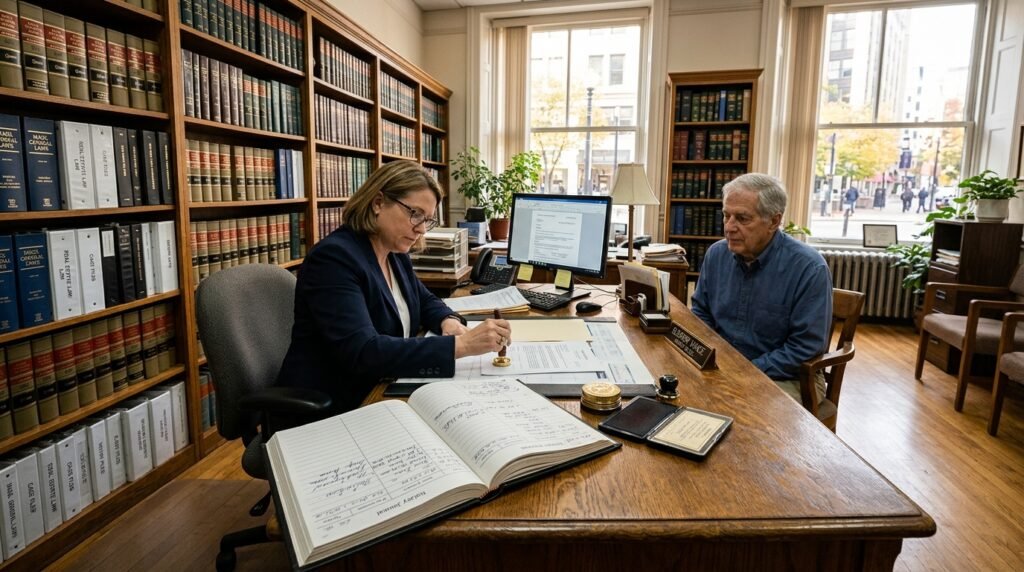
Cases like this illustrate an important point: notarizing documents and providing legal representation are two different services.
A notary public can perform authorized notarial acts, such as verifying identity, witnessing signatures and administering oaths, depending on state law.
However, determining which immigration forms someone should file, offering legal advice or representing a person before immigration authorities generally requires the appropriate legal authorization.
This distinction has become increasingly important in Florida. In 2025, the state approved new legislation aimed at preventing confusion about immigration-related services and strengthening consumer protections against misleading advertising. The law reflects a broader effort to ensure that people understand exactly what type of professional they are hiring.
Why This Case Matters for Anyone Handling Legal Documents
Most people seeking immigration assistance are simply trying to complete an important process correctly.
That is why trust matters.
Immigration paperwork can affect a person’s legal status, work authorization, family reunification process or future opportunities in the United States. Choosing the wrong professional—or misunderstanding the services being provided—can lead to delays, additional expenses and serious complications.
The Orlando case also demonstrates why transparency is so important.
Consumers should always understand:
- Whether they are hiring a notary or an attorney;
- Exactly what services are being provided;
- Whether legal advice is included;
- What documents are being prepared and by whom.
As immigration procedures become increasingly complex, understanding these distinctions is one of the best ways to protect yourself and your documents.
How to Choose a Professional Notary Service
Hiring a notary should be a straightforward process.
A professional notary should clearly explain the service being provided, answer questions about the notarization process and avoid creating confusion about the limits of notarial services.
Consumers should also be cautious of broad promises involving legal outcomes, immigration approvals or services that fall outside a notary’s authorized role.
Knowing who is handling your documents—and exactly what they are authorized to do—is an important step toward avoiding misunderstandings and ensuring that important paperwork is completed properly.
Trust and Transparency Matter
The recent Orlando case is a reminder that professional titles matter, and that consumers benefit when services are clearly explained.
Notaries play an important role in verifying identities, witnessing signatures and carrying out authorized notarial acts. Attorneys, meanwhile, provide legal advice and representation.
Understanding the difference helps protect both the document and the person signing it.

Mobile Notary Orlando: your partner for every documentation matter
Notarizations don’t wait for business hours, and neither do we. Mobile Notary Orlando is available around the clock across Orange, Seminole, Brevard, and Osceola counties—at your home, your office, or wherever the signing needs to happen.
Fast, professional, and stress-free every time. We’ll be there for you!