
Proof of identity comes up constantly in daily life, but most people only think about it when someone asks for it at the airport, the bank, a government office, or a notary appointment. The documents that count as proof, and the ones that do not, vary depending on who is asking and what is at stake.
So what is true, after all?
This article explains what proof of identity means across different contexts, which documents are commonly accepted, and what Florida law specifically requires when you’re getting something notarized.
Read also: Drafting a letter of consent – all you need to know
What is proof of identity?
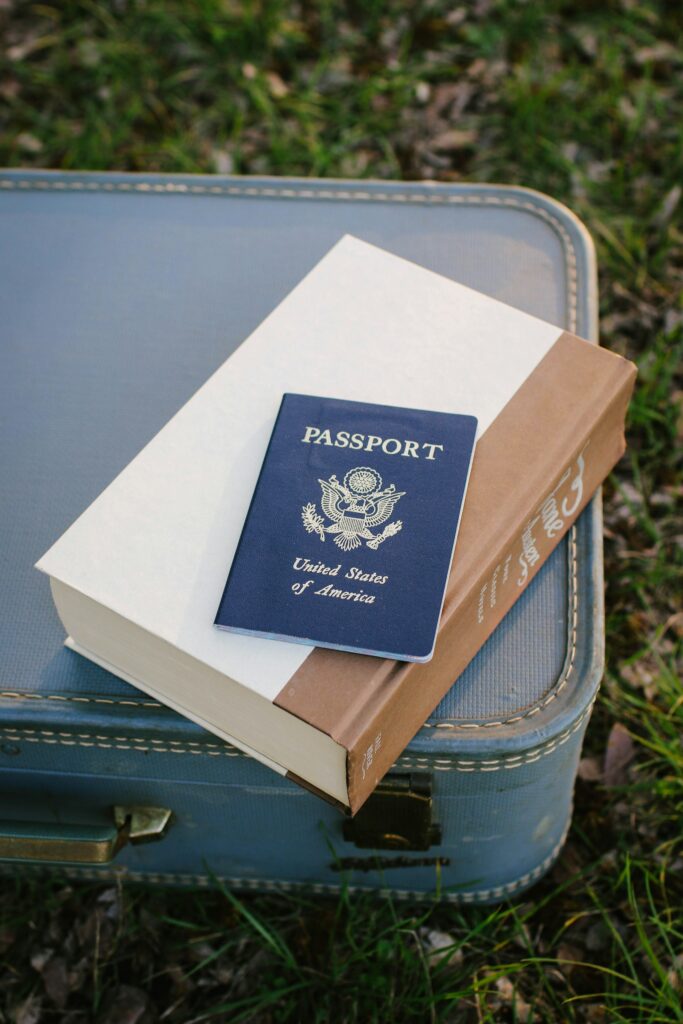
Proof of identity is documentation that confirms a person is who they claim to be. It’s a way for institutions, officials, and individuals to verify that the person in front of them matches the name on a document, an account, or a transaction.
At its core, proof of identity serves two purposes: fraud prevention and providing accountability. When someone signs a legal document, opens a bank account, or crosses a border, a third party needs to be able to confirm that the right person is involved.
Also, not all proof of identity is created equal. A gym membership card tells you someone’s name. A government-issued passport tells you the holder’s name, nationality, photo, date of birth, and that a federal authority has vouched for the information.
The difference in weight between those two documents is enormous, which is why most formal contexts specify exactly what type of proof they will and will not accept.
Common forms of proof of identity
Most institutions accept a few core categories of identity documents. See some below:
Government-issued photo ID
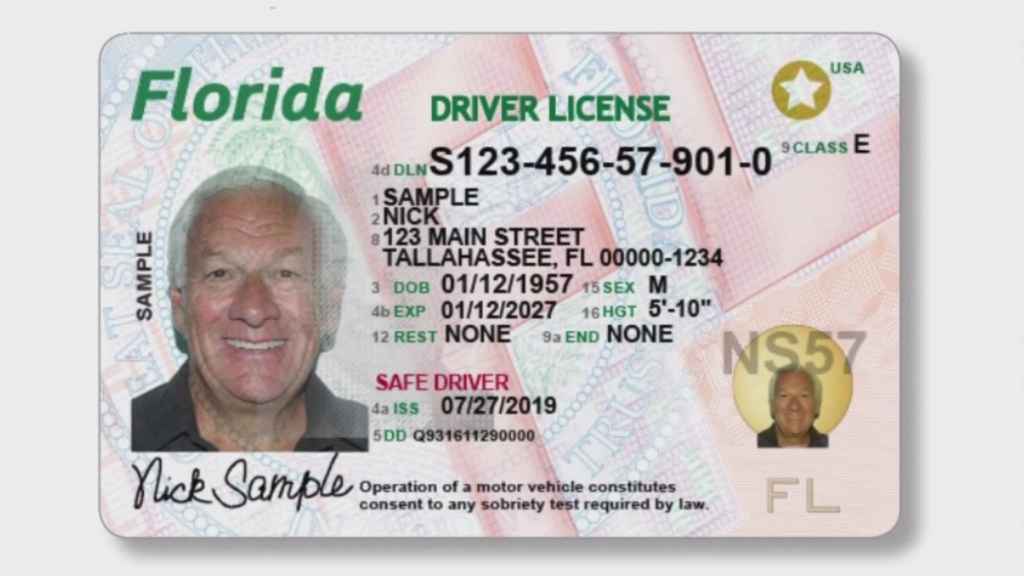
A driver’s license or state-issued ID card is the gold standard proof of identity in the United States.
Issued by a state authority, it includes a photo, a signature, and a unique identifying number, and is recognized across federal and state institutions. A U.S. passport is arguably stronger – it’s a federal document, more difficult to forge, and accepted internationally.
Regardless, both are the most reliable everyday proof of identity that most people carry.
Other government-issued cards that typically qualify include U.S. military ID cards, permanent resident cards (green cards), and Veterans Affairs identification cards.
Foreign identity documents
A foreign passport is accepted in many U.S. contexts, particularly for financial and legal purposes, as long as it’s current and valid. A driver’s license issued by Canada or Mexico is also recognized in Florida for certain purposes.
However, not every institution accepts foreign documents in the same way, and some require additional verification steps depending on the situation.
What does not count
This is the part that surprises people most. Social Security cards, birth certificates, school ID cards, and credit cards (even ones with photos) aren’t generally accepted as standalone proof of identity in formal contexts.
They may confirm a name or a number, but they lack the combination of photo, signature, and issuing authority that makes an identity document credible and verifiable.
Proof of identity and notarization in Florida
Notarization is one of the most specific contexts when it comes to proof of identity requirements. A notary’s entire function rests on being able to confirm who is signing a document, so the standards are tightly defined by Florida law.
Under Florida Statute §117.05, a notary public may not notarize a signature unless they can confirm the signer’s identity through one of three approved methods.
The most common method: acceptable ID
The National Notary Association notes that acceptable IDs for notarization purposes must generally include a photo, a signature, and an identifying number. In Florida specifically, the document must be current or have been issued within the last five years. Accepted forms include:
- A Florida driver’s license or state ID card
- A driver’s license or ID card from another U.S. state, territory, Canada, or Mexico
- A U.S. passport
- A foreign passport stamped by the U.S. Citizenship and Immigration Services
- A U.S. military ID card
- A Veterans Affairs health identification card
- An identification card issued by U.S. Citizenship and Immigration Services
Note that a social security card, birth certificate, or school ID does not qualify. The document must be government-issued and meet the other statutory requirements.
Personal knowledge
If the notary public personally knows the signer, that’s a recognized alternative to presenting ID.
Florida defines “personally knows” as having an acquaintance that establishes the person’s identity with reasonable certainty – not just recognizing someone’s face from around the office.
This is a narrower standard than most people assume, and notaries are expected to apply it carefully.
Credible witnesses

When a signer has no acceptable ID, and the notary doesn’t personally know them, Florida law allows for credible witness identification.
One credible witness can vouch for the signer if that witness is personally known to both the signer and the notary. Two credible witnesses can vouch if the notary doesn’t know either of them, as long as both present their own acceptable ID and meet the other statutory conditions.
Additionally, the witness(es) must sign a written affidavit stating under oath that the signer doesn’t possess any other acceptable form of ID and that the witness(es) has no financial interest in the transaction.
This is a useful safety valve for situations where someone has lost their wallet or otherwise can’t present standard documentation.
Why do proof of identity requirements differ by context?
Many institutions ask for proof of identity, but they don’t all use the same rules.
For example, a bank might accept two forms of ID, including a utility bill for address verification. A TSA agent accepts a driver’s license but not a foreign one without additional documents. A Florida notary accepts a Canadian driver’s license but not a birth certificate.
The variation exists because each institution sets its standards based on the level of risk involved, the legal framework it operates under, and the purpose of the verification. Understanding that proof of identity is context-dependent saves a lot of frustration when you’re preparing for an appointment.
Regardless, here’s the safest rule of thumb across almost every context: bring a current and valid government-issued photo ID with your full name, a clear photo, and an identifying number.
Frequently asked questions
What happens if I show up to a notary appointment without an acceptable ID? The notarization cannot proceed unless you qualify under the personal knowledge or credible witness alternatives. It’s worth calling ahead to confirm what ID you plan to bring, especially if your primary ID has recently expired.
Can an expired driver’s license be used as proof of identity for a notarization in Florida? No. Florida requires the ID to be current or issued within the past five years. An expired license that falls outside that window isn’t acceptable, even if the photo is still a clear match.
Is a birth certificate proof of identity? In everyday contexts, it’s one piece of a larger identity puzzle, like proving citizenship or age. For notarization purposes in Florida, however, it does not qualify as acceptable ID on its own, since it lacks a photo and a serial number.

If you live in Florida, choose our team at Mobile Notary Orlando
Proof of identity is one of those requirements that feels obvious until you’re standing at a counter without the right document. Knowing what qualifies, what doesn’t, and why the standards exist puts you in a much better position whenever a formal verification is needed.
If you have a document to notarize and want to make sure you’ve got the right ID ready before we arrive, Mobile Notary Orlando is happy to help you figure that out in advance. We serve clients throughout Orange, Seminole, Brevard, and Osceola counties and come to wherever works best for you.
Get in touch, and we’ll take it from there. We are available to you 24/7 wherever you are!