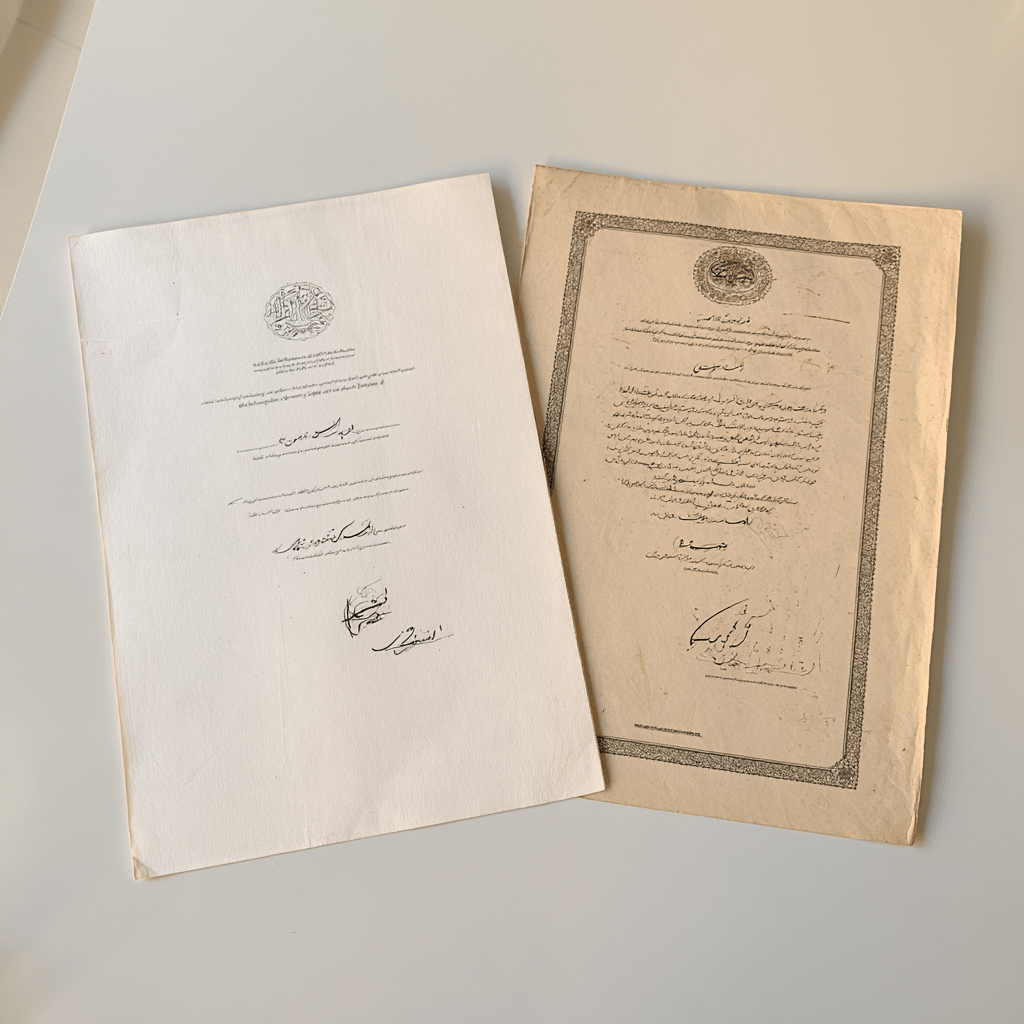
If someone has asked you for a “notarized diploma” and you’re not sure what that means, you’re not alone. ,A diploma isn’t the kind of document that typically goes through a notary – universities issue them and that’s usually the end of the story. But when a diploma needs to be used abroad, the process gets a little more involved.
We’ll explain here what a notarized diploma actually is, the three situations where you’re likely to need one, and what a Florida notary can and can’t do when it comes to your academic credentials.
You may also like: Who needs a notary signing agent, after all?
What does “notarized diploma” actually mean?
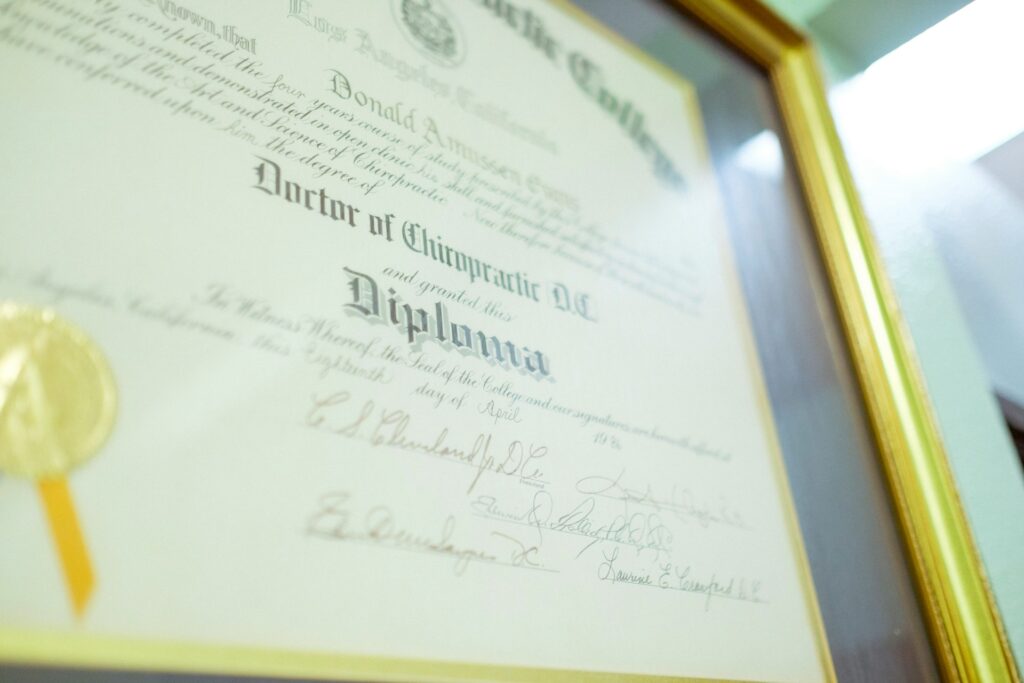
A diploma itself is not notarized by the university. What people usually mean when they say “notarized diploma” is one of the following: a notarized true copy of the diploma, a notarized translation of it, or a diploma that’s part of a document package headed for an apostille.
These are three different things, and which one you need depends on what the receiving institution asks for.
It’s good to understand this distinction because going through the wrong process wastes time (and in some cases, the document gets rejected).
A notarized true copy of your diploma
Someone abroad (a university, an employer, a government agency, …) needs to see your diploma but won’t accept a plain photocopy. They want a copy that’s been verified by a notary public as a faithful reproduction of the original.
In Florida, this is called an attested copy. Under Florida Statute §117.05(12), a notary public can attest that a copy of a document is a “true, exact, complete, and unaltered photocopy” of the original. The notary either makes the copy themselves or supervises the copying process, and then attaches a notarial certificate.

There is one important thing to understand here. Unlike a deed or a birth certificate, a diploma isn’t a public record obtainable from official government sources. So a notary can attest to a copy of your diploma as long as it’s a document in your personal possession.
That’s the key distinction in Florida’s copy certification rules. Vital records and public records cannot be copied by a notary, but a diploma can.
For this to work, you’ll have to bring your original diploma to the appointment. The notary must see the original to attest to the copy.
Mobile Notary Orlando can handle attested diploma copies at your home or wherever is convenient – no need to carry your precious diploma across town to an office.
A notarized translation of your diploma
If the receiving institution is in a country that doesn’t use English, they’ll likely need your diploma translated into their language. And they’ll often require that translation to be notarized as well.
This is a two-step process. First, a qualified translator produces a certified translation of the diploma. Then, the translator’s signature on that translation is notarized.
The notary isn’t certifying that the translation is accurate. Instead, they’re confirming who signed it and that they signed it willingly in the notary’s presence.
It’s worth knowing that these two roles are separate: the translator handles the language, and the notary handles the signature. If someone offers to do both at once without being a qualified translator, that’s a red flag.
The American Translators Association maintains a directory of qualified translators if you need to find one.
Once the notarized translation is complete, some countries also require an apostille on top.
When your diploma needs an apostille
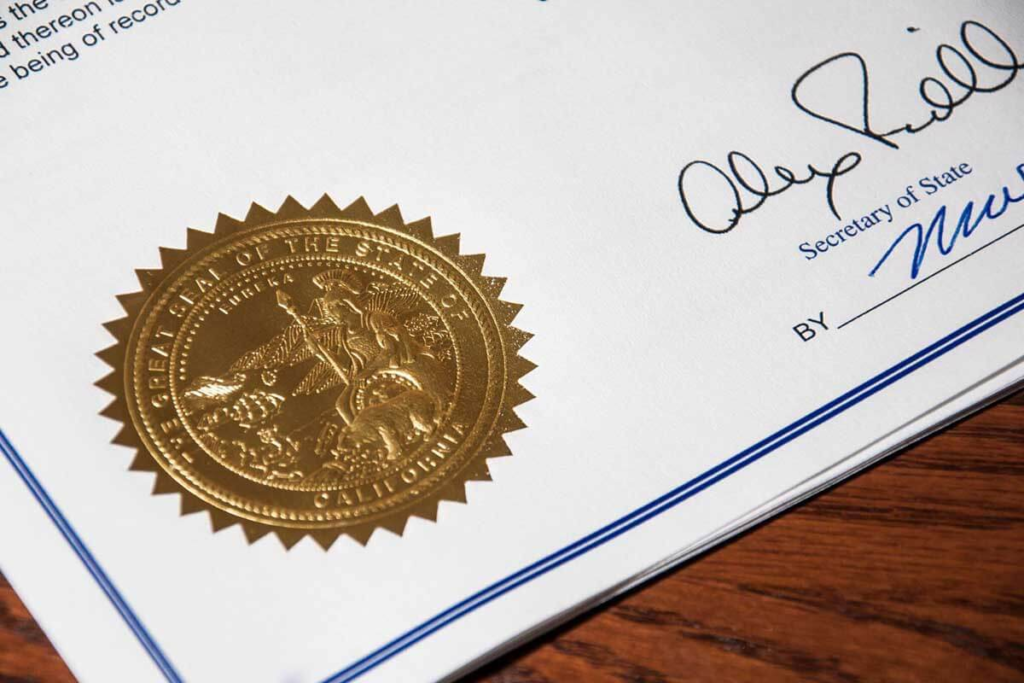
An apostille is a government-issued certificate that authenticates a notary’s credentials for use in countries that are part of the Hague Apostille Convention. If the country you’re submitting your diploma to is a member, they’ll likely require an apostille rather than just a notarization.
How you get there depends entirely on whether your school is public or private.
For private Florida schools (like Rollins College or Stetson University), the student, as the custodian of the document, can sign a Custodian’s Affidavit of True Copy stating that the attached copy is a true, correct, and unaltered reproduction of the original diploma.
This affidavit is signed in front of a Florida notary, who administers a sworn oath and completes a jurat certificate. The notarized package is then submitted to the Florida Secretary of State’s office for the apostille.
For public Florida universities (like UCF, UF, FSU, …), the process is different, and this is where a lot of people go wrong. The Florida Secretary of State will not accept a student-signed custodian affidavit for public institution records.
Instead, contact your school’s Registrar’s office. An authorized school official must sign the document under oath before a Florida notary. In practice, it is usually the school’s own notary.
That notarized record, bearing the registrar’s sworn signature, is what gets submitted to Tallahassee for the apostille. An outside notary cannot substitute for this step.
The key thing to understand in both cases is that the apostille authenticates the notary’s credentials, not the diploma itself. That’s why the notarization has to be done correctly using a jurat certificate with the oath properly administered – a defective notarization means the apostille request gets rejected.
For public school transcripts, the same registrar-signed process applies. If you’re unsure which countries require an apostille for your destination, confirm that before starting the process.
What to bring to your notary appointment

Regardless of which scenario applies to you, most things stay the same for every appointment.
Bring your original diploma. The notary must see the original to attest to any copy since they can’t work from a scan or a photocopy. Bring a valid, government-issued photo ID as well, since the notary is required to verify your identity before the appointment can proceed.
If a translation is involved, bring the completed translation and confirm with the receiving institution whether they need the translator’s signature notarized, an apostille, or both.
Knowing this in advance saves you from repeating the process.
If an apostille is also required, flag this when you book your appointment. In this case, the notary will need to use a jurat certificate and administer a sworn oath.
Getting this right the first time means you can send the document straight to the Secretary of State’s office without any rework.
Frequently asked questions
Can a Florida notary attest to a copy of a diploma from a Florida state university? Yes, but only for general domestic purposes, such as showing a local employer. Under §117.05(12), a notary can attest to a copy of a diploma in your possession because it’s not a public record.
However, if you need an apostille for a public university diploma, a standard notary attestation isn’t accepted. The Florida Department of State requires public university records to be certified and notarized directly through the school’s Registrar’s office before the apostille can be issued.
Does the notarized copy replace the original diploma? No. A notarized true copy confirms it’s a faithful reproduction of the original, but it doesn’t replace the original. The original stays with you. The attested copy is what gets submitted to the institution requesting it.
How long does the process take? The notary appointment itself is usually brief, taking 15 to 20 minutes when the document is prepared and you have your original. If an apostille is also needed, factor in additional processing time through the Florida Secretary of State’s office, which varies depending on the current workload.

Mobile Notary Orlando: our team can help you out
A notarized diploma isn’t complicated once you know what’s actually being asked for. Whether it’s a true copy for a foreign employer, a notarized translation for a university abroad, or part of an apostille package for an immigration application, each step has a clear purpose and a clear process.
You worked hard for that diploma. Now let us make sure the notarization doesn’t get in the way of what comes next! Mobile Notary Orlando covers Orange, Seminole, Brevard, and Osceola counties with a variety of 24/7 and stress-free notarization services. Reach out, and we’ll be there for you!